Get ready to report benefits in kind to HMRC
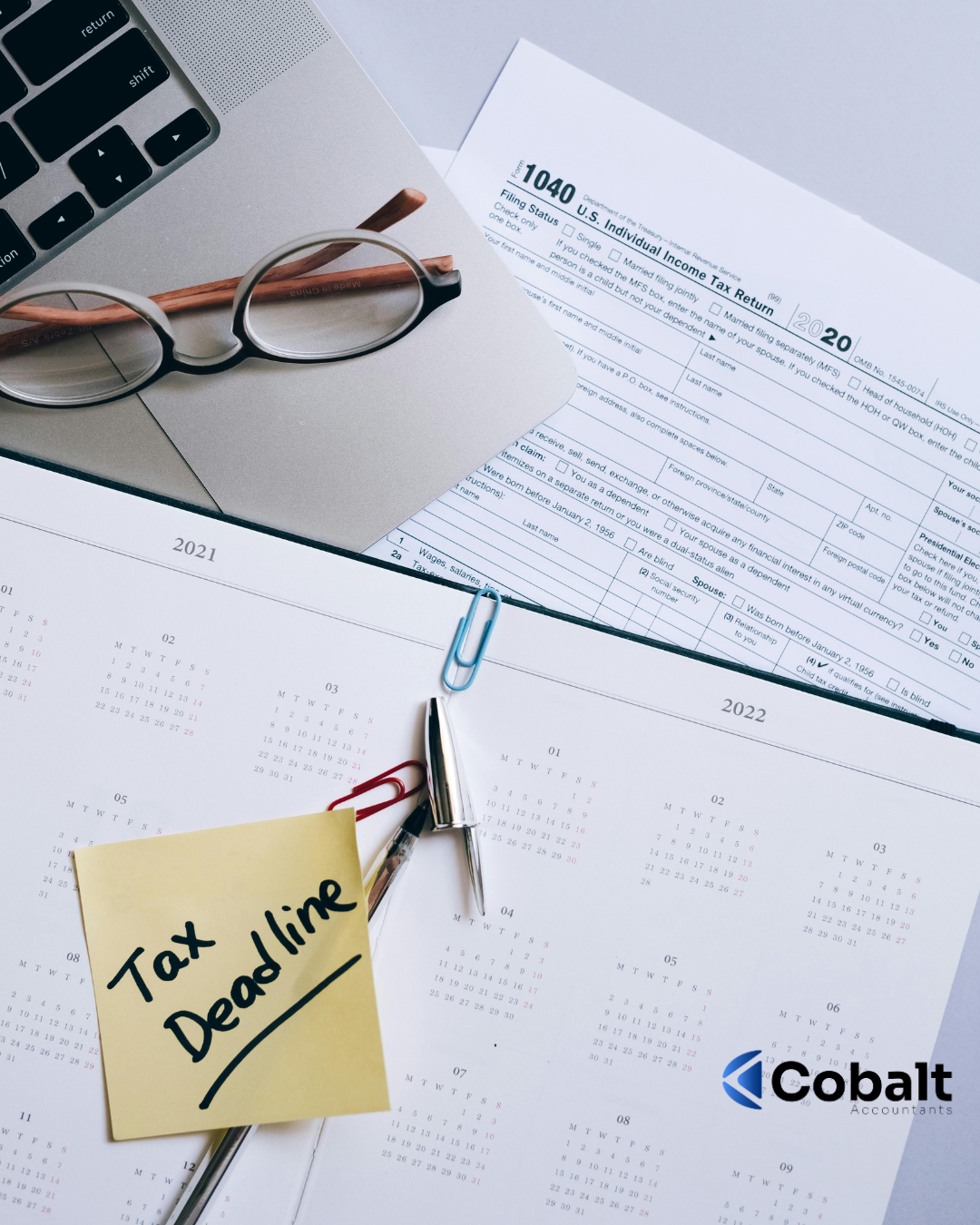
Benefits in kind affect the amount of tax and National Insurance you and your employees pay, so it’s vital you get the paperwork right. Here’s our guide to help you.
Benefits in kind affect the amount of tax and National Insurance you and your employees pay, so it’s vital you get the paperwork right. The July deadline for completing your P11D and settling the tax bill will be here before you know it. Here’s our guide to help you get it right.
Why you need to file a P11D form
Form P11D gives HMRC the details of any benefits in kind you provide to your employees. Benefits in kind increase the tax and National Insurance your employees and business must pay, so the paperwork helps HMRC determine the figure.
Employees pay income tax on any benefits that have a taxable value, but they don’t typically pay additional National Insurance contributions. As an employer, your business must pay employers’ National Insurance contributions on benefits in kind. This doesn’t apply to benefits your employees pay for via salary sacrifice. You can usually also claim employee benefits as an allowable expense on your corporation tax return. HMRC calculates the tax based on the value of the benefit. This can be complex, especially where an employee can use a benefit for both personal and business reasons. We can guide you through the figures.
You can also put them through payroll to pay tax and National Insurance throughout the year, but you must detail anything that hasn’t gone through payroll on your P11D.
What is a benefit in kind?
Benefits in kind are employee perks that also offer a personal benefit. They have a cash value but are usually benefits that an employer pays for on an employee’s behalf, rather than benefits where you pay an employee more so they can pay for the benefit themselves. For example, if you arrange health insurance for your team, you’ll usually pay the premiums straight to the insurer. However, if you pay your employees an allowance so they can choose and pay for their own health insurance, this is taxed through payroll and doesn’t need to go on your P11D.
A benefit in kind can be health insurance, a company car that an employee can also use for personal travel, help with childcare expenses or accommodation costs. The rules can vary depending on why a benefit is needed, how it’s paid for and whether employees pay some of the costs themselves. For example, you might provide a company car, but the tax position will change depending on whether an employee pays for the fuel.
What you need to do
The deadlines for submitting your P11D are strict, so make sure you know the relevant dates or have all the relevant information with your accountant in time for them to complete the form for you.
You must file the report with HMRC by 6th July after the end of the previous tax year, including details of your expenses, benefits and the total Class 1A employers’ National Insurance contributions you owe. You’ll also need to give your employees a copy of the details that relate to them so they know how it’ll affect their tax payments.
Next, you must pay your National Insurance contributions by 22nd July if you’re paying digitally, or 19th July if you’re sending a cheque. You can pay PAYE tax and any Class 1 National Insurance contributions through payroll. Let us know if you’d like any help setting up your payroll to make monthly payments.
What happens if you miss the deadline?
Missing the deadline for submitting your P11D and paying any outstanding amounts can get expensive quickly, depending on how late you are and the number of employees in your business.
HMRC charges a penalty of £100 per 50 employees for each month, or part of a month, your form is late. They’ll also charge penalties and interest if you’re late sending your payment.
We suspect you’d rather keep the cash in your business rather than send more to HMRC, so always get the information in on time. We can help you with the calculations and ensure you’ve included all relevant information before it goes to HMRC.
Keep your accountant updated
Your accountant wants to help you pay the right amount of tax and avoid penalties, but we can only do that if we have the right information and time to check the figures. Getting your accounts and paperwork to us early lets us ask questions and check the details. If we’ve completed your tax returns and P11D before, please let us know if anything has changed. For example, you might have changed how you pay for company cars or health insurance, or added new benefits that HMRC will class as benefits in kind.
Whatever stage you’re at with your tax return and P11D, we’re here to help. Book a free consultation now, or call us on 01664 503 700.